
There are objects that feel different in your hands. Not because of their weight, not because of their material. Because of the way someone held them — the care of things that truly matter.
There were years when buying something was simple. You just had to want it. Then a harder, longer period arrived, and everything that entered my life became the result of a precise calculation: how much does it cost, how long will it take, how much is it really worth to me. I stopped buying on impulse. I started choosing.
That’s where my care for things comes from, I think. Or maybe it was always there — I just hadn’t noticed yet.
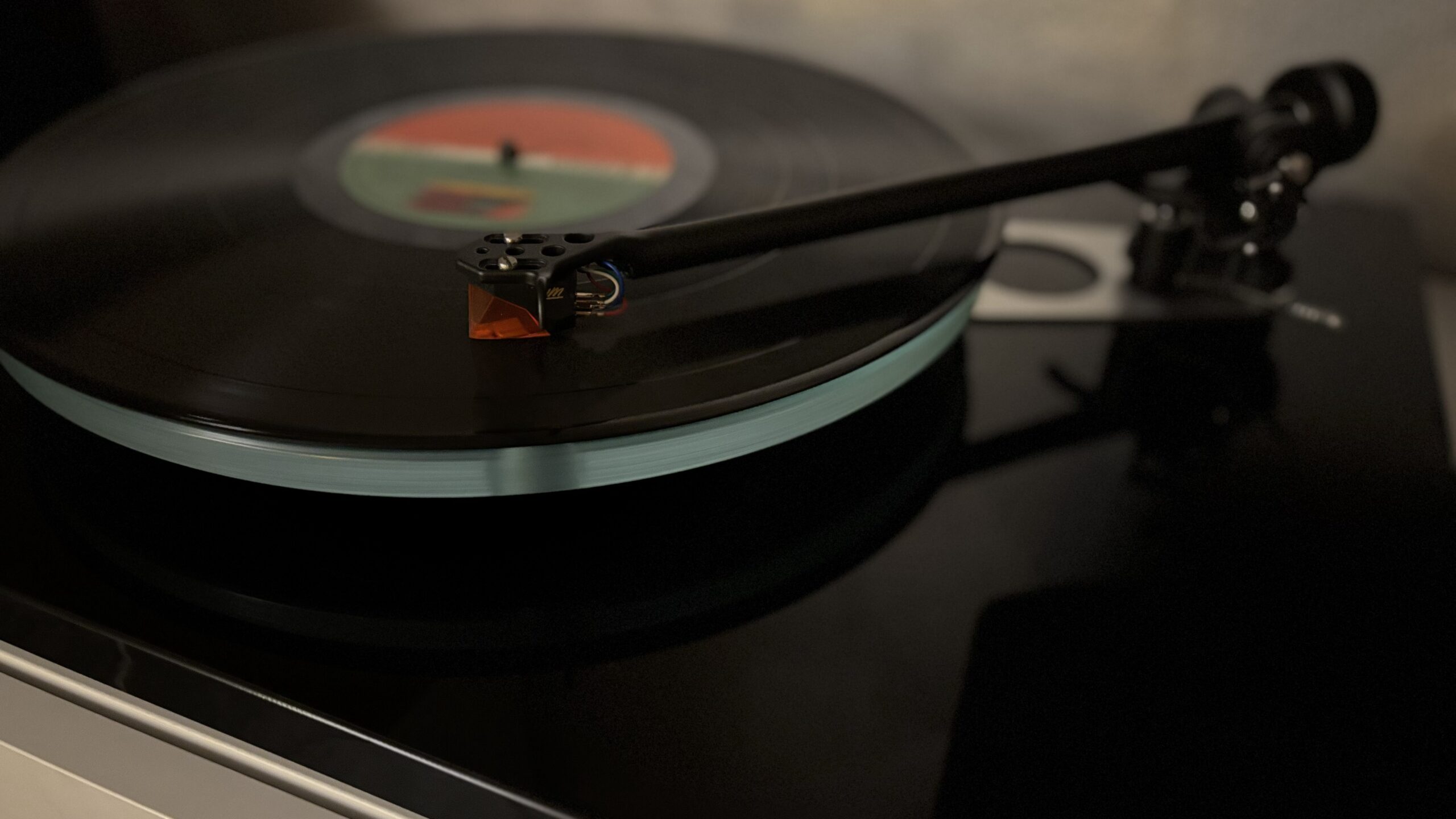
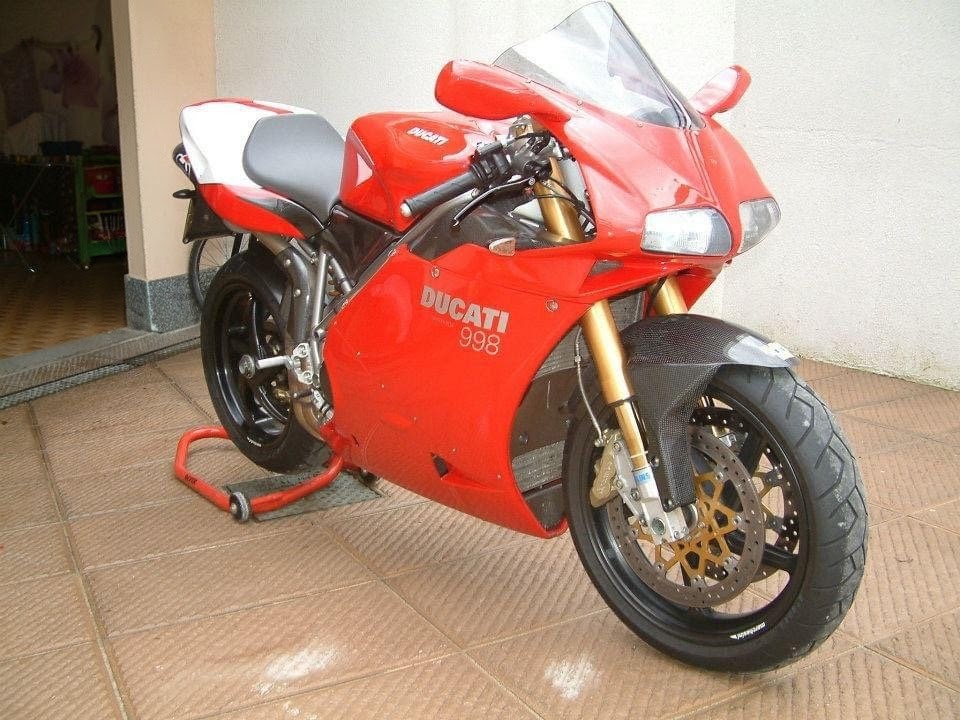
Motorcycles — many, over the years. Including a Ducati 998 that looked more like a sculpture than a machine. Vinyl records, the valve amplifier that warms the air in a certain way in the evening. My brother taught me music before I even knew how to read properly, and from him I learned this too: that an object you love is held in a precise way. Not out of fear of damaging it. Out of respect for what it represents. And then there’s a Sega Megadrive with its original cartridges still in perfect condition — that I still pull out with Marco, a friend who has shared that passion with me for thirty years. Objects from different worlds. All held the same way.
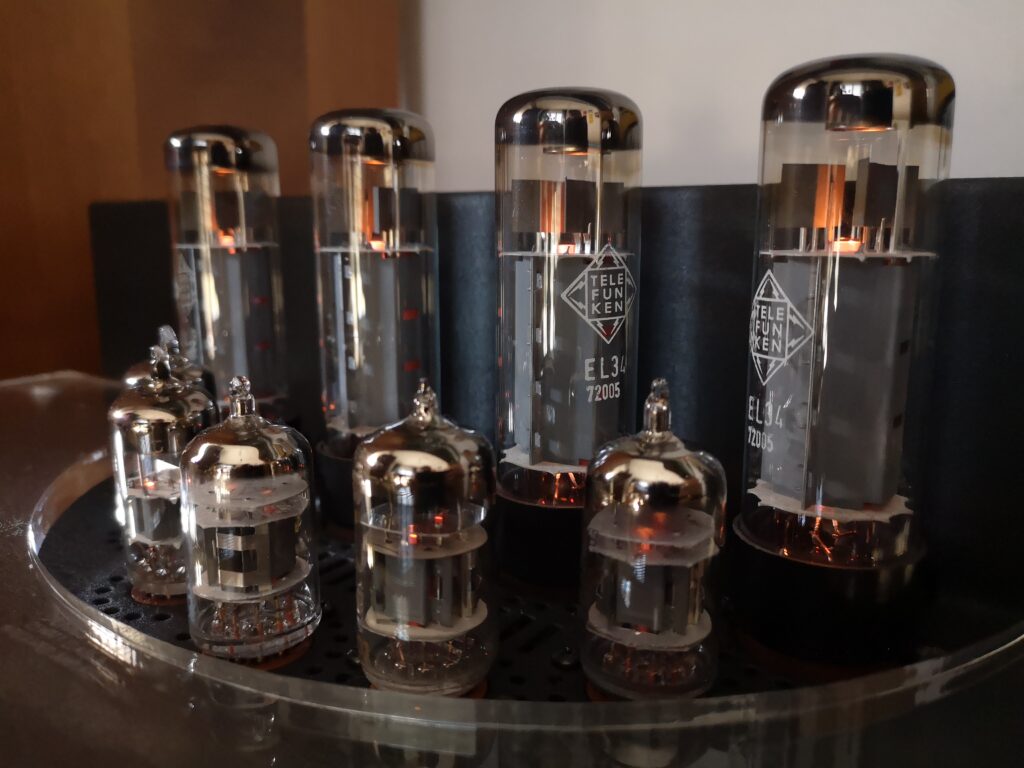
Taking care of an object is an exercise in sustained attention. You notice when something changes. The engine starts to sound different. A record tells you it needs cleaning before you even lower the needle. You keep your eyes on what you have.
That same attention, directed at people, is called respect.
It’s not a metaphor. It’s a posture you learn. Someone who truly takes care of an object — not out of paranoia but out of affection — has trained something they carry everywhere. Patience. The ability to see the state of things before they become a problem. The habit of not treating carelessly what has value.
These are not skills for mechanics or collectors. They are human skills.
If I respect the objects I use, it’s because I’ve learned that things have a value that goes beyond their price. And if I’ve learned that, then I can recognise it in the people around me too. Not always, not perfectly. But I know how to look.
Care is a silent education. You don’t teach it with words.
There is a boundary, though, and it needs to be said clearly because it’s closer than you think.
Care that becomes fear is no longer care. It’s obsession. And obsession doesn’t protect the object — it imprisons it. And with it, you.
I’ve seen it. The motorcycle kept standing still so as not to damage it. The record that never gets played because it “might get scratched.” The watch kept in a drawer because it might wear outside. At that point the object has stopped doing its job — which was to add something to your life — and has started taking from you. You’ve become the custodian of something instead of its owner.
A small scratch on the tank is not the death of the motorcycle. It’s the signature of the kilometre you rode inside it. A lived object is not a ruined object — it’s a complete object.
The difference between care and obsession is this: in care, the object gives back more than you give it. In obsession, it takes. Time, energy, freedom, pleasure. What was a form of respect becomes performance anxiety. And anxiety is not respect — it’s fear in disguise.
Keep it well, use it fully, take it where it needs to go. A scratch is part of the story. And the story is what matters in the end.
One day you might pass that object on to others. A motorcycle, a record player, a rare vinyl. It’s not as simple as it sounds. There’s a moment, before letting it go, when you realise you’re giving up something that is not just matter — it’s time, it’s attention, it’s a piece of how you lived. Whoever receives it doesn’t just receive the object. They receive the way it was kept. An invisible but real trace.
Care is passed on. Like music.