
A few weeks ago, I waited forty seconds for the elevator.
Forty seconds. I counted them — because at some point I caught myself already thinking about taking the stairs. Not for the exercise, but because waiting felt like a waste of time.
Forty seconds.
That’s when I realized that maybe we’d all taken things a little too far.
The world has sped up. So have we. Maybe too much.
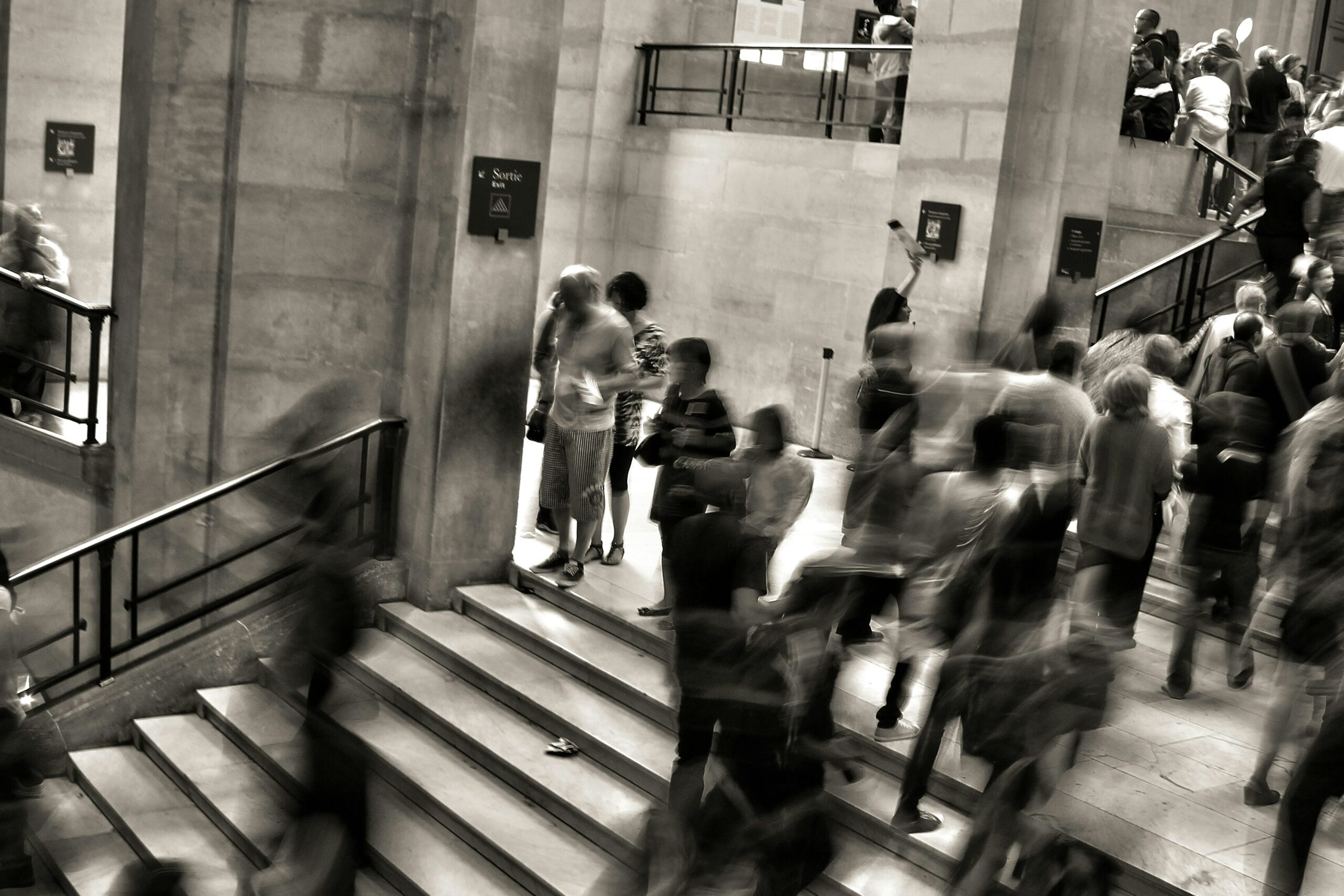
This isn’t news — we already know it. Phones respond in milliseconds, packages arrive the next day, films are available before release, news is already old within an hour. The world became incredibly fast, and we adapted accordingly.
The problem isn’t speed itself. Speed is useful, convenient, often wonderful. The problem is when speed becomes the only mode available — when we can no longer do things slowly even when we want to.
Try sitting still for five minutes doing nothing. No phone, no music, no podcast. Just sitting.
Hard, isn’t it?
The Multitasking Myth
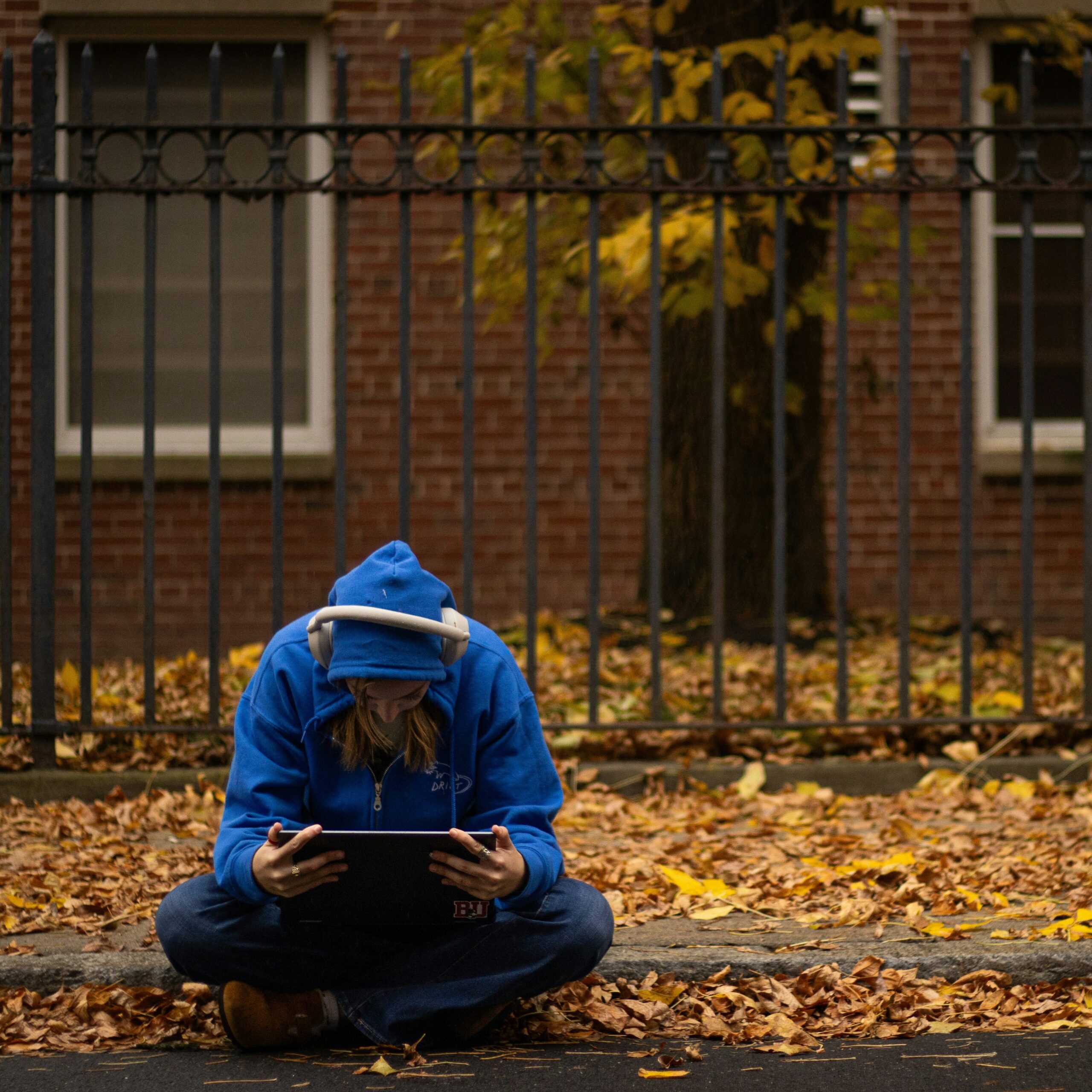
Here’s something we’re proud of that should actually give us pause: multitasking. Doing several things at once has become a virtue, a skill to put on your CV, a badge of honour.
The trouble is, the human brain isn’t actually built to do it. When we think we’re doing multiple things simultaneously, we’re really doing them in rapid sequence — constantly switching from one to the next. The result is that we do all of them slightly worse, with less attention, and by the end of the day we’re exhausted without having done anything truly well.
This isn’t a moral judgement. It’s physiology.
The Good News
Here it is, the positive part — and this isn’t one of those hollow good news moments.
Slowing down doesn’t require anything special. You don’t need to go on a spiritual retreat in Nepal, you don’t need to change jobs, you don’t need a motorcycle. You don’t even need to go far. You just need to choose, every now and then, to do one thing at a time. Fully. All the way through.
Eating without looking at a screen. Taking a walk without earphones. Waiting for the elevator without reaching for your phone. Reading an article to the end instead of skimming it diagonally looking for the main point.
Small things. But they change something — in the quality of your attention, in your ability to enjoy what you’re doing, in the general feeling of being in control of your day rather than being dragged through it.
What We Miss When We’re All in a Rush
There’s a strand of positive psychology research — savoring, studied by Fred Bryant and colleagues — that makes a point so obvious it’s still worth making: experiences lived slowly, with attention, settle into memory more vividly than those we rush through. Slow down, and you remember more.
If we live in a rush, we remember little. If we remember little, life seems shorter. If life seems shorter, we rush even more to make up for it. It’s a perfect loop, and a completely pointless one.
Getting out of it doesn’t mean becoming slow. It means becoming aware.
An Experiment for This Week
Nothing radical. Just this: choose one thing you normally do in a hurry and do it slowly. Just one. For one week.
Morning coffee. Lunch. The commute to work. A phone call with a friend. Your choice.
Then, if you’d like, tell me how it went. I’m curious.
Going slowly isn’t wasting time. It’s deciding how to use it.